
PRP for Hair Restoration: Does It Really Work?
Thinning hair chips away at confidence faster than almost any other cosmetic concern. You notice it in photos first, then in the mirror, then in the shower drain — and by the time you start researching solutions, you want answers backed by real evidence, not just marketing hype. PRP hair restoration keeps coming up in that research, and for good reason: it's one of the few non-surgical hair loss treatments with a genuine, growing body of clinical support behind it.
At The Skin Clinic, we get this question daily: does PRP for hair loss actually work, or is it just an expensive placebo? Let's walk through the science, the studies, and what you can realistically expect.
What Is PRP, and Why Does It Target Hair Loss?
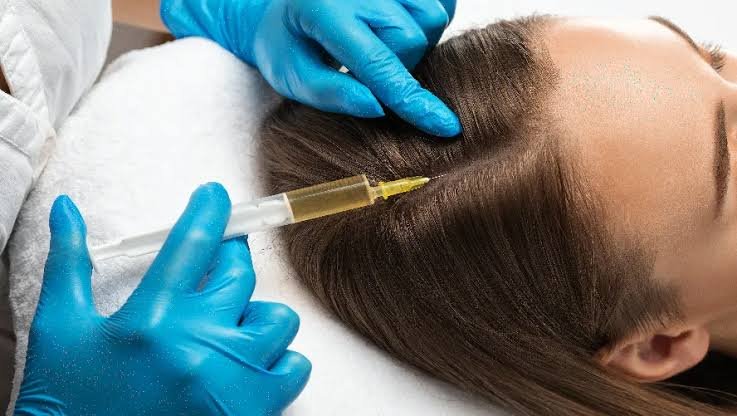
PRP stands for platelet-rich plasma. It's a treatment made from your own blood. A small sample is drawn, then spun in a centrifuge to separate and concentrate the platelets — the components responsible for clotting, healing, and tissue repair. What's left is a plasma solution loaded with growth factors like PDGF (platelet-derived growth factor), TGF-β, and VEGF.
When this concentrated plasma is injected into the scalp, those growth factors go to work on the hair follicles directly. They stimulate blood flow to the follicle, extend the growth (anagen) phase of the hair cycle, and activate dormant follicular stem cells that have essentially gone to sleep. In simple terms, PRP injections for hair loss don't add anything foreign to your body — they concentrate and redirect your own healing signals to where you need them most: your scalp.
This is why PRP is often described as a form of regenerative hair restoration. It doesn't just mask thinning; it works with your biology to try to restore follicle function.
Does PRP Hair Restoration Actually Work? What the Research Shows
This is the part that matters most, and the research has moved a long way from "promising but unproven" to genuinely solid evidence.
A large 2025 systematic review and meta-analysis pooled data from 43 randomized controlled trials and nearly 1,900 participants. The conclusion was clear: properly activated PRP meaningfully increased hair density and reduced recurrence of hair loss compared with placebo, and it also improved patient satisfaction and clinical outcomes across the board.
Other recent trials back this up with hard numbers. One prospective clinical trial tracking patients through three PRP sessions found measurable increases in follicle density and a noticeable drop in shedding by the third treatment. A separate randomized study comparing PRP injections against microneedling for androgenetic alopecia found that the PRP group saw hair count increase by roughly 62%, and hair thickness improve by nearly 59%, over the course of treatment.
Researchers have also looked at how PRP performs alongside other treatments:
PRP plus hair transplantation: Systematic reviews of transplant patients who also received PRP found higher graft survival rates, increased hair density, and faster initiation of new hair growth compared with transplant alone.
PRP plus microneedling: Combining the two produced significantly greater improvements in hair diameter and density than either treatment used on its own.
PRP plus topical minoxidil: Studies found the combination outperformed minoxidil by itself, suggesting PRP and topical treatments can work together rather than compete.
The scientific consensus at this point is that PRP is no longer an "experimental" or fringe therapy — it's considered a legitimate, evidence-supported option for androgenetic alopecia (the most common form of pattern hair loss in both men and women), with a strong safety profile when performed correctly.
Who Is a Good Candidate for PRP Hair Treatment?
PRP works best in specific situations, and being honest about candidacy is part of giving you a treatment plan that actually delivers results. Generally, the best outcomes happen in people who:
Are in the early to moderate stages of hair thinning, where follicles are miniaturizing but not yet completely dormant
Have androgenetic alopecia (male or female pattern hair loss), which is the condition most of the clinical research focuses on
Want a non-surgical hair loss treatment before considering a transplant, or want to support a transplant they've already had
Are looking for a solution that uses their own biological material, with no synthetic drugs or foreign substances involved
PRP tends to be less effective on scalp areas that are already completely bald, since the treatment depends on stimulating follicles that are still present, even if they're weakened or shrinking. This is exactly why an in-person scalp assessment matters before starting treatment — it lets us determine whether your follicles are in a state where PRP can meaningfully help.
What Happens During a PRP Hair Restoration Session
One reason PRP has become such a popular option is how straightforward the process is. A typical PRP scalp treatment session includes:
Blood draw — A small vial of your blood is drawn, similar to a routine lab test.
Centrifugation — The blood goes into a centrifuge, which spins at high speed to separate the platelet-rich plasma from red blood cells and other components.
Scalp preparation — The scalp is cleansed, and a topical numbing agent is often applied to keep the treatment comfortable.
Micro-injections — The concentrated plasma is injected in a grid pattern across the thinning areas of the scalp using a fine needle.
The entire appointment usually takes under an hour, and most people return to normal activities the same day, aside from some minor scalp tenderness or light redness.
How Many PRP Treatments Will You Need?
This is where patience matters. PRP is not a one-and-done injection — it's a cumulative therapy, and the research reflects that. Clinical protocols in the studies reviewed above typically involved:
An initial series of 3 to 6 monthly sessions to jump-start follicle activity
Maintenance sessions every 3 to 6 months afterward to sustain results, since hair loss is an ongoing biological process
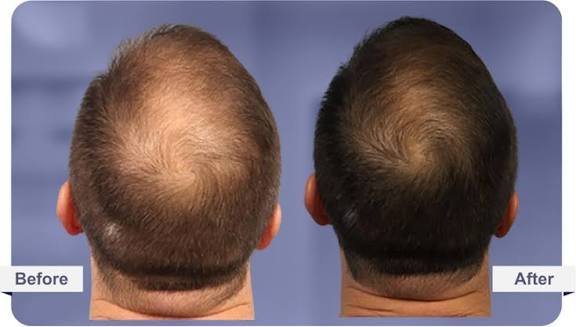
Most patients start noticing reduced shedding within the first six to eight weeks, with visible improvements in density and thickness becoming clearer around the three-month mark, as new hairs move through the growth cycle. Results continue to build with each session in the initial series, which is why we design PRP hair loss treatment plans around a full course rather than a single visit.
PRP vs. Other Hair Loss Treatments
It's worth putting PRP hair restoration side by side with other options you may have already considered:
PRP vs. minoxidil (Rogaine): Minoxidil is a topical treatment applied daily indefinitely. PRP is an in-office injection series with less day-to-day maintenance, and research shows combining the two can outperform either treatment alone.
PRP vs. hair transplant surgery: A transplant physically relocates follicles, while PRP stimulates the follicles you already have. Many patients use PRP either as a standalone treatment for early thinning or paired with a transplant to improve graft survival and speed up regrowth.
PRP vs. oral medications (like finasteride): Oral medications work systemically and carry potential side effects tied to hormone regulation. PRP is autologous and localized to the scalp, which is part of why its safety profile is so favorable.
None of these treatments are mutually exclusive. In fact, some of the strongest results in recent research come from combination approaches, which is something we take into account when building a personalized plan.
Is PRP Hair Restoration Safe?
Because PRP uses your own blood, the risk of allergic reaction or rejection is extremely low — there's no foreign biological material involved. The most commonly reported side effects are mild and temporary: scalp tenderness, minor swelling, or slight bruising at the injection sites, all of which typically resolve within a few days.
That said, safety and results both depend heavily on technique. Research specifically notes that properly activated, correctly prepared PRP performs meaningfully better and more safely than improperly processed PRP. This is exactly why the preparation method and clinical experience of your provider matter as much as the treatment itself. A rushed or improperly spun sample won't deliver the concentration of growth factors needed for real results.
Setting Realistic Expectations
PRP for hair restoration is not a miracle cure, and it won't work identically for every person. Results vary based on the extent of hair loss, how long thinning has been progressing, individual biology, and consistency with the recommended treatment schedule. What the current evidence does support is this: for people with active hair thinning from androgenetic alopecia, PRP has a strong, reproducible track record of increasing hair density, improving hair thickness, reducing shedding, and boosting patient satisfaction — especially when it's part of a personalized plan rather than a one-time treatment.
Ready to Find Out If PRP Is Right for You?
If you're dealing with thinning hair and want a treatment backed by real clinical evidence rather than guesswork, PRP hair restoration deserves a serious look. The best next step is a personalized scalp assessment, so we can evaluate your stage of hair loss, discuss whether PRP alone or a combination approach fits your goals, and build a treatment plan designed around your biology.
Schedule your consultation with The Skin Clinic today and take the first step toward fuller, healthier-looking hair — backed by science, not shortcuts.
