
Is Rosacea Causing Your Redness? Here's What Your Skin May Be Trying to Tell You
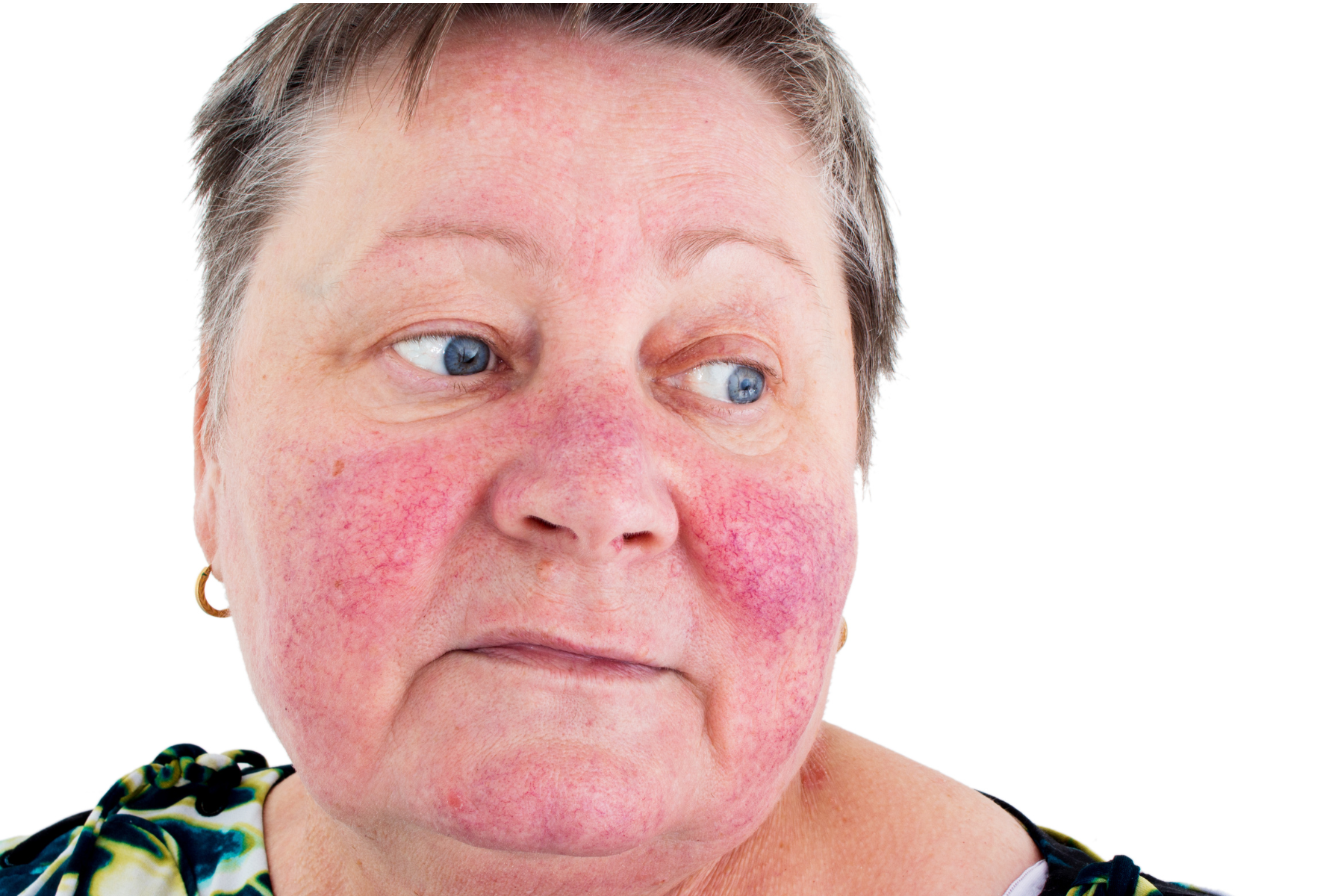
Facial Redness and Flushing-Is this Rosacea?
Have you ever looked in the mirror and wondered why your face is always red?
Maybe your cheeks flush after a workout, a glass of wine, or simply walking outside on a warm day. Perhaps your skin burns when you apply skincare products that never used to bother you, or you've noticed tiny red blood vessels becoming more visible over time.
If this sounds familiar, you may be experiencing rosacea.
The good news? While rosacea is a chronic condition, it doesn't have to control your confidence—or your skin. With the right treatment plan, you can significantly reduce redness, calm inflammation, and enjoy healthier, more comfortable skin.
What Is Rosacea?
Rosacea is a common inflammatory skin condition that primarily affects the face. It often develops gradually, beginning with occasional flushing before progressing to persistent redness, visible blood vessels, increased skin sensitivity, and, in some cases, acne-like bumps.
Although rosacea can't be cured, it can be effectively managed with professional treatment and the right skincare routine.
Common Signs of Rosacea
Rosacea looks different for everyone, but some of the most common symptoms include:
Persistent redness across the cheeks, nose, forehead, or chin
Frequent flushing that lasts longer than it used to
Visible or broken blood vessels
Skin that burns, stings, or feels unusually sensitive
Dry, irritated skin
Acne-like bumps that don't respond to traditional acne treatments
Skin that reacts easily to skincare products
Many people dismiss these symptoms as simply having "sensitive skin," but they may actually be early signs of rosacea.
What Triggers Rosacea?
One of the most frustrating parts of rosacea is that flare-ups can seem unpredictable.
Common triggers include:
Sun exposure
Heat and hot showers
Exercise
Alcohol
Spicy foods
Stress
Cold or windy weather
Certain skincare products
Hot beverages
While avoiding triggers can help reduce flare-ups, it rarely addresses the underlying inflammation causing your redness.
Why Rosacea Often Gets Worse Over Time
Rosacea is generally considered a progressive condition.
Without treatment, occasional flushing can become constant redness. Small blood vessels may become permanently enlarged and more visible, and skin often becomes increasingly reactive and sensitive.
The earlier you begin treatment, the better your chances of minimizing long-term redness and preventing progression.
Why Over-the-Counter Products Often Fall Short
Many creams promise to reduce redness, but most only provide temporary relief.
That's because rosacea isn't just a surface problem. It involves ongoing inflammation, changes in the skin's blood vessels, and a weakened skin barrier.
Simply covering the redness or using calming ingredients doesn't address everything that's happening beneath the surface.
A Better Approach: Treat the Cause, Not Just the Symptoms
At The Skin Clinic, we believe lasting improvement comes from treating rosacea from multiple angles-not relying on a single product or treatment.
Calm Inflammation
Advanced Aerolase laser treatments help reduce inflammation that contributes to redness, flushing, and skin sensitivity.
Reduce Visible Redness
IPL Photofacial treatments target visible blood vessels and diffuse redness, helping create a more even complexion.
Strengthen Your Skin Barrier
Medical-grade skincare supports your skin's natural protective barrier, making it less reactive and helping maintain your results long-term.
Together, these treatments work to improve both the appearance and overall health of your skin.
Why We Love Aerolase for Rosacea
Not all laser treatments are ideal for sensitive skin.
One reason we frequently recommend Aerolase is because it's gentle enough for many rosacea-prone patients while still effectively targeting inflammation and redness.
Patients appreciate that treatments are comfortable, involve little to no downtime, and can be incorporated into a personalized treatment plan based on their skin's unique needs.
Is It Time to Treat Your Redness?
If you're constantly covering redness with makeup, avoiding photos, or feeling frustrated by sensitive skin, you don't have to keep managing it alone.
Professional treatment can help reduce redness, improve your skin's resilience, and give you more confidence in your complexion.
Ready to Learn More?
Our team will evaluate your skin, discuss your concerns, and create a personalized treatment plan designed specifically for your goals.
Learn more about our Redness Recovery Program and discover how we help patients reduce redness, calm rosacea, and restore healthier-looking skin.
