
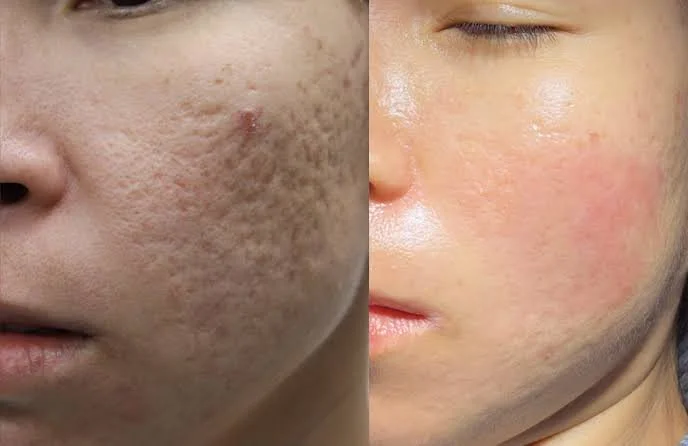
Acne clears eventually, but the marks it leaves behind often stick around much longer. If you've dealt with breakouts and now stare at dips, pits, or dark patches in the mirror, you already know how frustrating an effective acne scarring treatment can feel out of reach. The good news: modern aesthetic medicine gives you three proven paths to smoother skin — microneedling, laser resurfacing, and chemical peels. Each one works differently, and each one shines for a different scar type. This guide breaks down how they compare so you can walk into your consultation at The Skin Clinic already knowing what questions to ask.
Why Acne Scars Form in the First Place
Acne scarring happens when inflammation damages the collagen and elastin that keep your skin smooth and supported. As a breakout heals, your body either overproduces collagen (raised, hypertrophic scars) or underproduces it (indented, atrophic scars). Most people dealing with post-acne skin fall into the atrophic category, and dermatologists generally sort these into three shapes:
Ice pick scars — narrow, deep, and pointed, like a tiny puncture in the skin
Boxcar scars — wider, box-shaped depressions with defined edges
Rolling scars — broad, shallow indentations that give the skin a wavy texture
Matching your treatment to your scar type matters more than almost anything else. A technique that erases rolling scars might barely touch an ice pick scar, and vice versa. That's why an effective acne scarring treatment plan almost always starts with a skin assessment, not a one-size-fits-all procedure.
Microneedling for Acne Scars: Gentle Collagen Stimulation
Microneedling uses a device fitted with fine, sterile needles to create hundreds of micro-injuries across the treatment area. Your skin reads these tiny punctures as damage and floods the area with growth factors, triggering fresh collagen and elastin production over the following weeks.
Best for: rolling scars, shallow boxcar scars, and general texture irregularities.
What makes it appealing:
It works well across a wide range of skin tones and types, including deeper skin tones that carry a higher risk of pigment changes with some laser treatments.
Downtime stays short — most people see redness and mild swelling for one to three days.
Radiofrequency (RF) microneedling adds a heat component that reaches deeper into the dermis, making it a stronger option for more established boxcar scarring.
Results build gradually and look natural, since the treatment relies on your own collagen rather than removing skin layers.
The trade-off: microneedling rarely produces dramatic, one-treatment results. Most protocols call for a series of three to six sessions spaced four to six weeks apart, and deeper ice pick scars typically need a different approach altogether.
Laser Resurfacing: Precision for Deeper Scarring
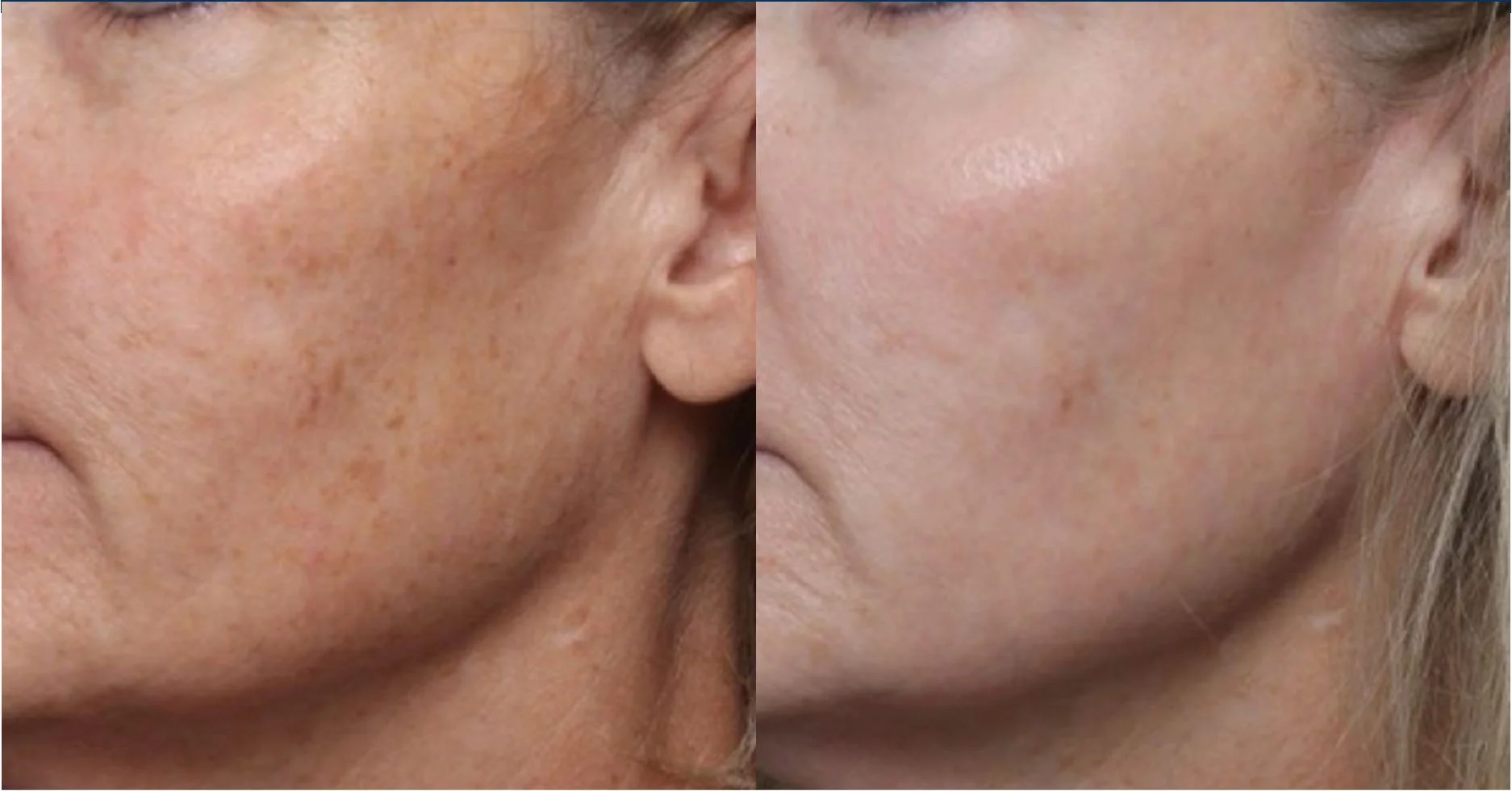
Laser treatments use focused light energy to remodel scar tissue, either by removing thin layers of damaged skin (ablative lasers) or by heating the deeper dermis without disturbing the surface (non-ablative fractional lasers). Fractional versions treat the skin in a grid pattern, leaving untouched tissue between treated columns so healing happens faster.
Best for: boxcar scars, deeper textural scarring, and cases where microneedling alone hasn't moved the needle.
What makes it appealing:
Ablative and fractional lasers reach deeper into the dermis than most needling devices, making them a strong fit for more stubborn or long-standing scarring.
Treatment plans can be tailored in intensity — a lighter fractional session for subtle texture, or a deeper ablative pass for more pronounced scarring.
Many patients see meaningful improvement in fewer overall sessions compared with microneedling alone.
The trade-off: downtime scales with intensity. Non-ablative fractional lasers might cause a day or two of redness, while deeper ablative treatments can require a week or more of visible healing. Laser treatments also carry a higher risk of post-inflammatory hyperpigmentation in melanin-rich skin, so choosing an experienced provider and following strict sun protection before and after treatment is non-negotiable.
Chemical Peels for Acne Scars: Renewing Surface Texture
Chemical peels apply an exfoliating solution to the skin, encouraging the outer, damaged layer to shed and reveal fresher skin underneath. Peels range from light (surface-level, minimal downtime) to medium-depth options like TCA (trichloroacetic acid) peels, which reach further into the epidermis and upper dermis.
Best for: post-acne discoloration, dullness, and surface-level texture irregularities. A specialized technique called TCA CROSS — where a strong peel solution is applied precisely to individual scars — can also target stubborn ice pick scars directly.
What makes it appealing:
Peels address tone and texture together, which helps when acne leaves behind dark or red marks alongside physical scarring.
Sessions are quick, and lighter peels allow you to return to normal activities almost immediately.
Peels layer well alongside microneedling or laser treatments as part of a broader plan.
The trade-off: peels alone rarely resolve deep, pitted scarring. They excel at refining surface texture and pigment but typically need a partner treatment for true indentations.
Why Combining Treatments Often Wins
Because most people have more than one scar type at once — a mix of rolling texture, a few boxcar dips, and some lingering discoloration — a single technique rarely tells the whole story. Providers frequently combine treatments in the same overall plan: microneedling to rebuild collagen broadly, laser resurfacing to target the deepest areas, and a peel layered in to brighten tone and refine surface texture. Combining modalities this way consistently outperforms any single treatment used in isolation, which is exactly why a personalized plan beats a generic one.
What This Means for Your Treatment Plan
No blog post can tell you exactly which acne scarring treatment fits your skin — that decision depends on your scar pattern, skin tone, downtime tolerance, and goals. What you can take away is this: rolling and shallow texture usually respond well to microneedling, boxcar and deeper scarring often need laser resurfacing, and lingering discoloration or dullness responds best to a well-chosen chemical peel. Many people benefit from a combination built around their specific skin.
At The Skin Clinic in North Mankato, every acne scarring treatment plan starts with a real conversation about your skin, your history, and what "smoother" looks like for you. Our team evaluates your scar type, skin tone, and lifestyle before recommending microneedling, laser treatments, chemical peels, or a combination designed around your goals — because lasting results come from a plan built for your face, not a generic protocol.
Ready to Talk About Your Skin?
If acne scarring has been holding back your confidence, you don't have to figure out the right approach on your own. Schedule a consultation with The Skin Clinic in North Mankato and let our team map out a personalized acne scarring treatment plan that fits your scar type, your skin, and your schedule. Serving Mankato and Southern Minnesota, we're here to help you look and feel, like yourself again.
